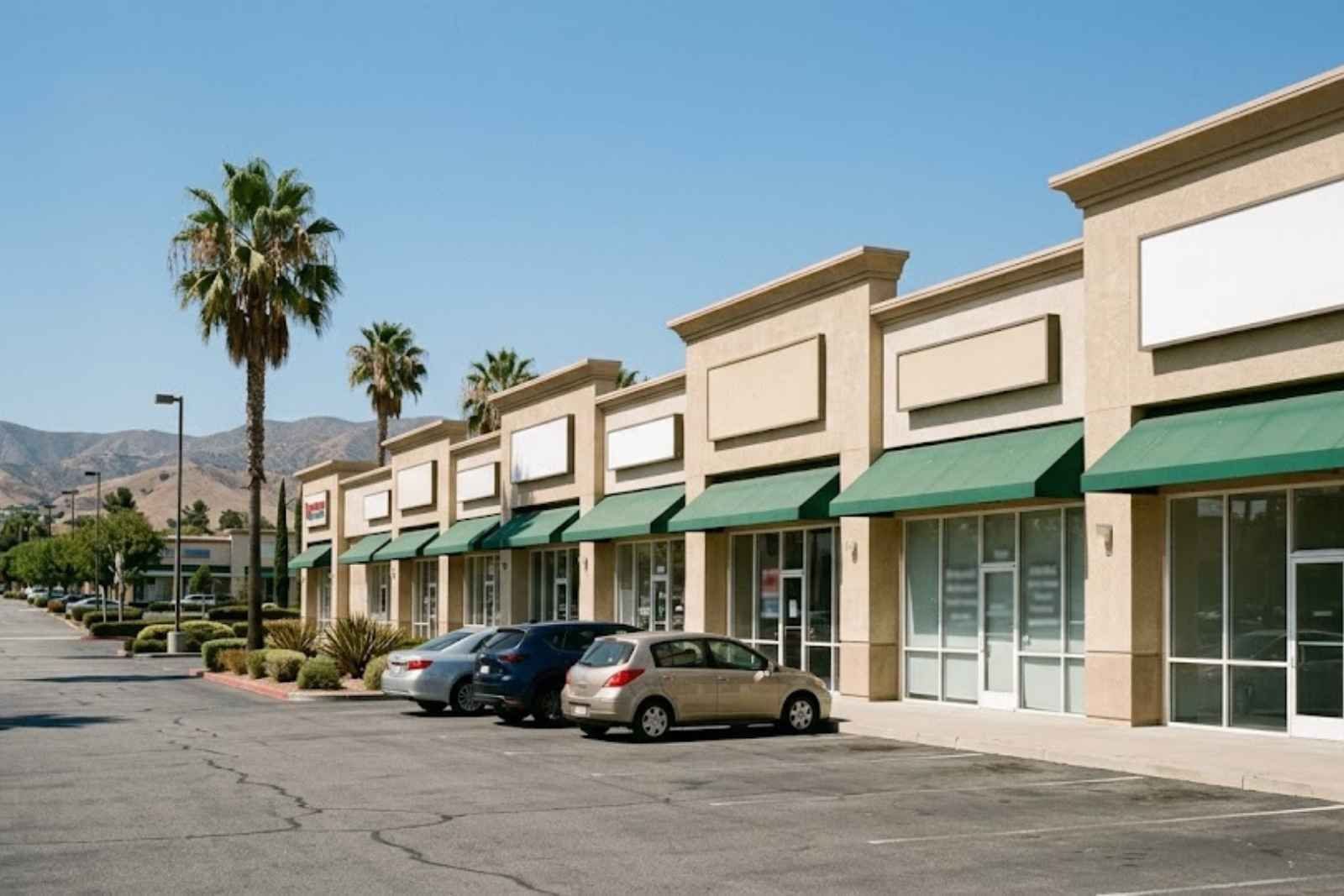
Walnut, CA's commercial activity concentrates along Grand Avenue and Lemon Avenue, the city's main retail and office corridor, and plumbing systems in that stretch operate under different demands and expectations than the residential neighborhoods that make up most of the city. If you're a tenant, property manager, or business owner along this corridor, a few specific considerations are worth understanding.
Why Commercial Plumbing Is Genuinely Different
A residential service call typically involves a single household's fixtures and a supply and drain system sized for that scale of use. Commercial properties, whether a standalone retail building, a multi-tenant office complex, or a restaurant space, run larger-diameter supply and waste lines, multi-fixture restrooms serving many more people daily than a household would, and in food-service cases, grease traps that require their own maintenance schedule entirely separate from standard plumbing service.
The stakes are also different. A residential plumbing issue is an inconvenience; a commercial plumbing issue during business hours is lost revenue, whether that's a restroom closure affecting customer experience, a kitchen shutdown halting food service entirely, or a leak threatening inventory or equipment. That urgency shapes how commercial service needs to be scheduled and prioritized differently than a typical residential call.
Backflow Testing: A Compliance Item Easy to Miss
California's cross-connection control regulations, under Title 17 of the California Code of Regulations, require most commercial properties to have a backflow prevention device tested annually. This requirement exists to prevent contaminated water from potentially flowing backward into the clean municipal water supply, a genuine public health protection, but it's also one of those compliance requirements that's easy to lose track of between annual notices, especially for a busy retail or restaurant operation focused on day-to-day business.
Missing this requirement isn't just a compliance risk; it can result in a water purveyor flagging the property or, in some cases, restricting service until the device is tested and certified. For property managers overseeing multiple commercial addresses along the corridor, setting up backflow testing on a consistent annual schedule across all properties avoids this becoming a recurring, last-minute scramble each year.
Grease Trap Maintenance for Food-Service Tenants
Restaurants and food-service businesses along Walnut's corridor need regular grease trap cleaning and maintenance, separate from general plumbing service. A neglected grease trap doesn't just risk a slow drain; it can lead to a full backup that shuts down kitchen operations entirely, at exactly the worst possible time for a food-service business. Establishing a maintenance schedule based on the specific kitchen's volume, rather than waiting for a problem to develop, is the more reliable approach for any restaurant tenant along the corridor.
Scheduling Around Business Hours
One of the more practical considerations for commercial plumbing along a retail corridor is timing. A repair that would take an hour during closed hours can become significantly more disruptive during business hours, both from the actual work itself and from the customer-facing impact of restrooms or kitchen facilities being unavailable. After-hours or early-morning scheduling is worth arranging for any non-emergency work that would otherwise interrupt business operations, and it's a service option worth confirming is available before you need it urgently.
Multi-Tenant Building Considerations
Buildings with multiple tenants sharing a main supply or waste line add coordination complexity that a single-tenant property doesn't face. A shared line issue affects multiple businesses at once, which means coordinating access, timing, and communication across tenants rather than dealing with a single point of contact. Property managers handling multi-tenant buildings benefit from working directly with a plumbing provider who can manage that coordination on their end, rather than requiring each individually affected tenant to separately initiate and manage their own service call for what's actually a shared building issue.
What to Ask Before Choosing a Commercial Plumbing Provider
A few questions worth asking any provider you're considering for ongoing commercial service: Do they offer after-hours or emergency scheduling specifically for business-disrupting issues? Can they handle backflow testing and certification directly, or does that require a separate specialist? Do they have experience with grease trap service if you're a food-service tenant? And can they coordinate directly with a property management company rather than requiring individual tenant sign-off for every service call?
Documentation Matters More for Commercial Properties
Commercial leases often specify which party, tenant or landlord, is responsible for different categories of plumbing maintenance and repair, and disputes over that boundary aren't uncommon. Clear documentation of what was found and repaired during any service visit protects both parties in these situations, and it's worth confirming your plumbing provider documents findings in a way that supports whichever conversation you might need to have about responsibility, without the provider needing to take a position on the underlying lease dispute itself.
The Bottom Line for Walnut's Commercial Corridor
Whether you're managing a single retail space or a portfolio of properties along Grand Avenue and Lemon Avenue, the plumbing needs here diverge meaningfully from residential service in scope, urgency, and compliance requirements. Working with a provider who understands those differences, rather than treating every call as an identical residential-style service visit, makes a real difference in both cost efficiency and minimizing business disruption over time.
ADA-Compliant Fixture Requirements
Commercial restroom fixtures serving the public are subject to accessibility requirements under the Americans with Disabilities Act, covering specifics like fixture height, clearance space, and grab bar placement. This matters particularly during a renovation or when replacing fixtures in an existing commercial restroom: a straightforward like-for-like toilet or sink swap is one thing, but if the existing installation wasn't originally ADA-compliant, or if you're updating a restroom as part of a broader renovation, addressing compliance during that work avoids a separate, more disruptive retrofit later. This is a genuinely different consideration than anything a residential bathroom remodel needs to account for.
Water Heater Sizing for Commercial Use
Commercial water heater needs scale very differently than residential demand. A restaurant kitchen, an office building with a break room and multiple restrooms, or a retail space with an employee shower facility all have distinct hot water demand patterns that a single, undersized unit sized for residential-scale use simply can't meet reliably. Undersizing a commercial water heater doesn't just mean occasionally running out of hot water; it means recurring complaints, potential health code issues for food-service operations requiring hot water for sanitation, and premature wear on a unit working harder than its rated capacity to keep up with actual demand.
Planning Ahead for Tenant Improvements
When a new tenant moves into a commercial space along the corridor, particularly a restaurant or any use requiring plumbing modifications from the previous tenant's configuration, involving a plumber early in the planning process, rather than after lease terms and buildout timelines are already fixed, avoids discovering mid-project that the existing infrastructure can't support the new use without significant additional work. This is especially true for food-service buildouts, where grease trap sizing, floor drain placement, and water heater capacity all need to match the specific kitchen operation being planned rather than whatever the previous tenant happened to need before them in that same space.