A water bill that keeps climbing with no obvious change in usage. A water meter that won't stop moving with every fixture in the house off. A warm, damp spot on the floor. These are the three most common ways a hidden leak in Walnut, CA first shows up. None of them tell you exactly where the leak is on their own, which is why guessing at a fix before locating it usually means opening more of the wall or slab than necessary.
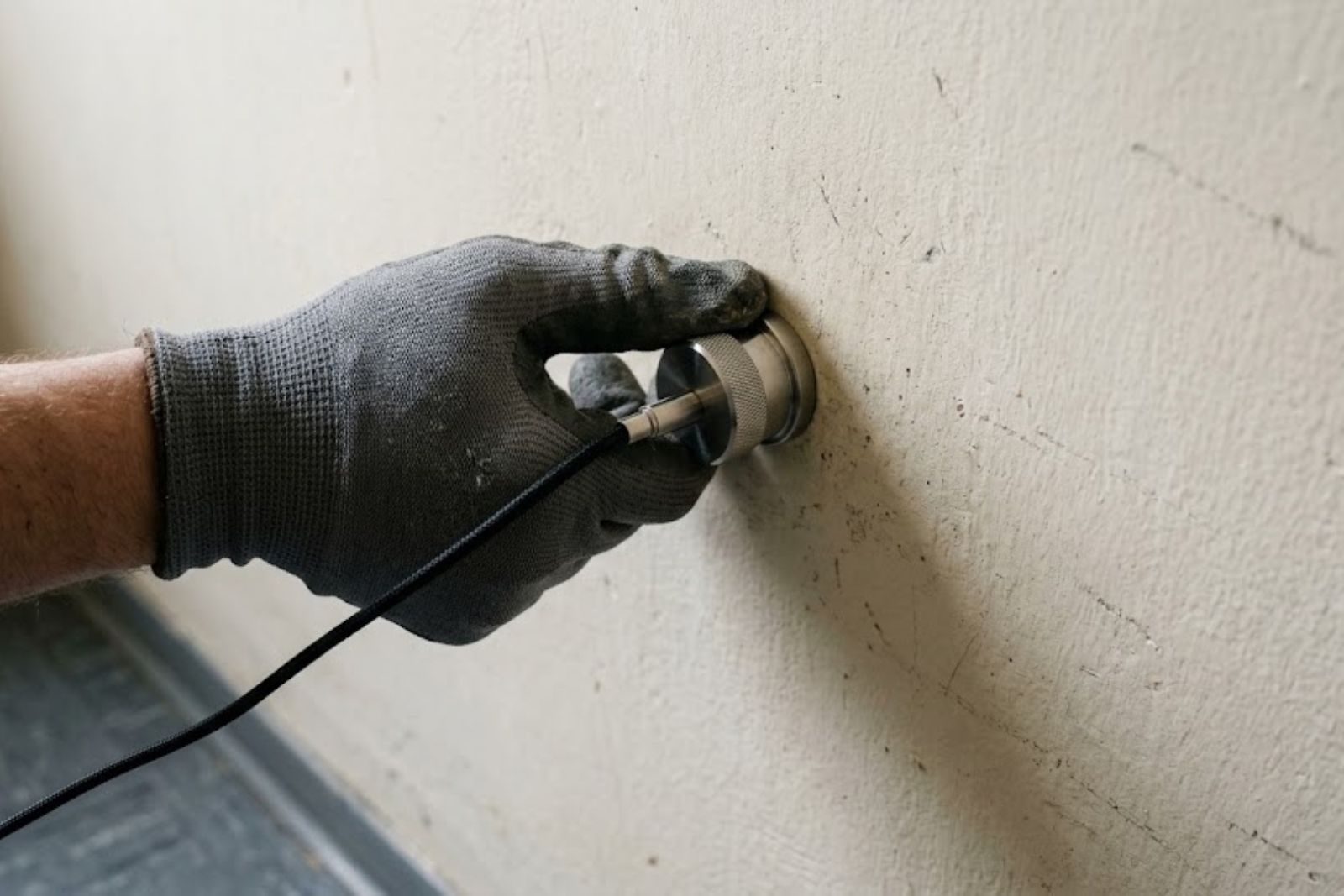
We use electronic leak detection, acoustic sensors and pressure testing, to narrow the leak down to a specific point before anything gets opened up. That matters most for a slab leak, where the pipe runs beneath the concrete foundation itself: a confirmed location means the repair targets one section of slab instead of an exploratory cut across a hallway or a garage floor.
Most of Walnut's homes were built during the 1970s-90s boom, which puts a lot of original copper supply lines at 30-50 years old, right in the range where pinhole leaks from age and mineral buildup start becoming realistic, not just theoretical. On top of that, Walnut Valley Water District's own Annual Water Quality Report classifies local water as moderately hard, and mineral-heavy water is a known contributor to internal pipe corrosion over decades. Neither fact means every home has a leak, but together they're why we check supply lines specifically on any older-home visit here, not just the fixture you called about.
If You Think You Have an Active Leak Right Now
Signs You Might Have a Hidden Leak
Rising Water Bill
A bill that climbs with no change in household water use is one of the clearest signs of a leak somewhere in the system.
Moving Meter
Turn off every fixture in the house; if the water meter still moves, water is escaping somewhere in the line.
Warm or Damp Flooring
A warm or damp spot on slab flooring, especially near a water heater, can point to a hot-water line leak beneath the foundation.
Low Water Pressure
A sudden, isolated drop in pressure at one fixture can mean water is being lost between the meter and that fixture.
How We Find It
Guess-and-Open
- Opens drywall or flooring before confirming the leak's location
- Can miss the actual source and require a second opening
- No pressure data to confirm the fix worked
Electronic Leak Detection
- Acoustic sensors and pressure testing narrow the leak to a specific point
- Repair targets one confirmed section, not a wide guess
- Pressure test after the repair confirms it held
- Upfront price before any work starts
Water Bill Doesn't Add Up?
A diagnostic visit can confirm whether there's a hidden leak before it gets worse.
What Affects the Price
A note on insurance: most homeowner's policies cover sudden, accidental water damage from a leak but not the gradual, wear-related leak itself or the cost of locating it. Ask your technician what's typically reimbursable before assuming the repair is covered.
FAQs
Yes. A climbing bill with no change in usage, or a meter that keeps moving with everything off, is one of the most common signs of a hidden slab or service-line leak.
Electronic leak detection uses acoustic sensors and pressure testing to narrow down a leak's location before any flooring or drywall is opened.
It's a common sign, especially near a water heater, but a diagnostic visit confirms it either way before any repair is scoped.
Yes, we regularly document findings in a way property managers and HOA boards can use for repair approval or insurance claims.
Related Services
A leak that's gone unnoticed for months can raise questions when a Walnut home is being sold, refinanced, or inspected for insurance renewal. If a home inspection flagged a moisture concern or an unexplained utility bill, call (909) 505-3225 and we can document what a leak-detection visit finds in a way that holds up for those situations.