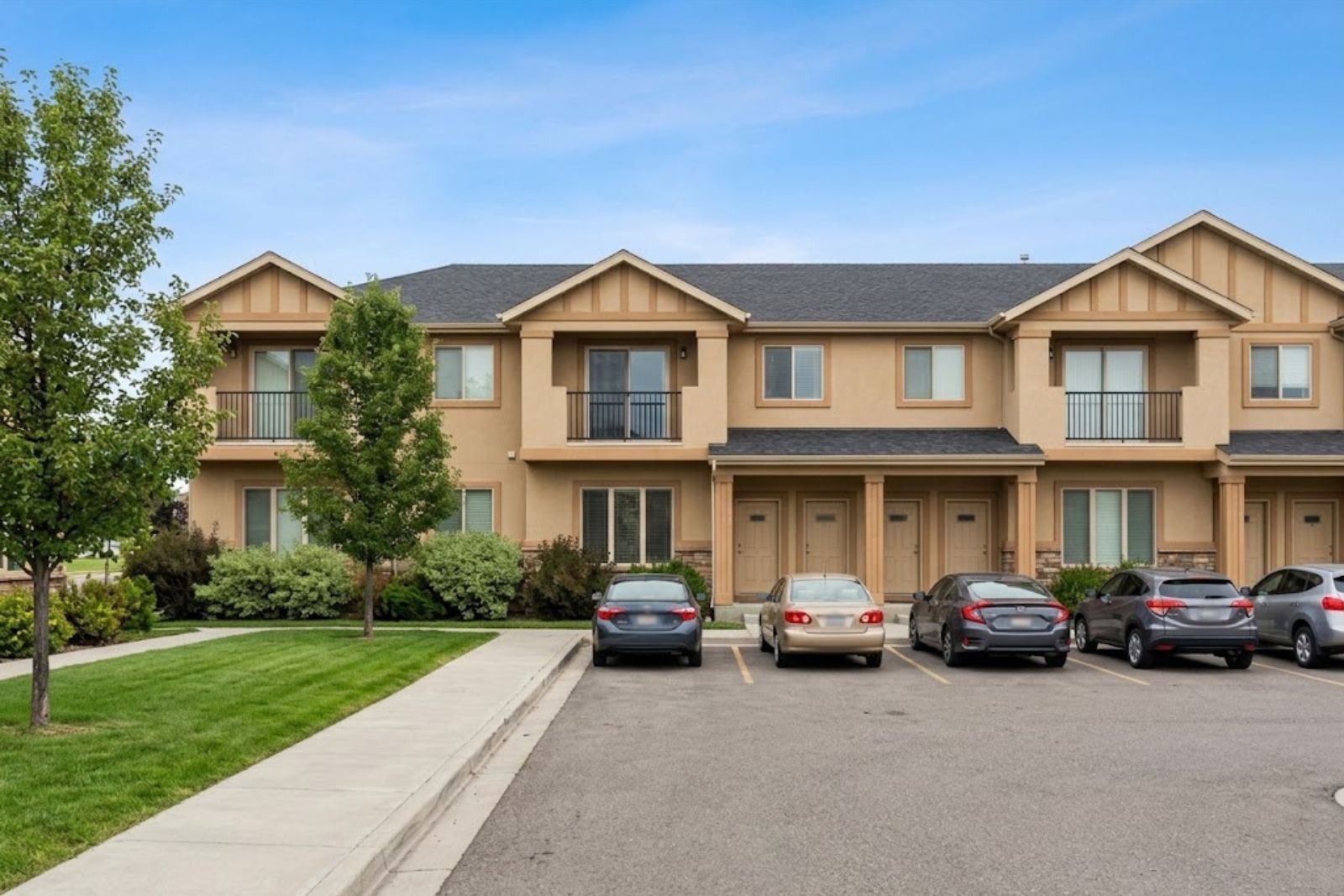
A meaningful share of Walnut, CA's housing sits within HOA-governed communities, and managing plumbing issues across these properties involves considerations that don't apply to a single private homeowner calling about their own house. Whether you manage one HOA community or several across the San Gabriel Valley, a few specific practices make plumbing issues easier to resolve and document properly.
Shared Line vs. Individual Unit Responsibility
The first question in almost any multi-unit plumbing issue is jurisdictional: is this a shared line the HOA is responsible for, or an individual unit's internal plumbing that falls to the homeowner? This distinction usually comes down to the specific line's location and function relative to the property's CC&Rs (covenants, conditions, and restrictions), but the plumbing itself doesn't always make that boundary obvious. A backup affecting multiple units might originate from a truly shared main line, or it might be a single unit's internal blockage that's backing up into a connected line other units also use.
A camera inspection is often the most reliable way to actually determine where a problem originates, rather than relying on assumptions based on which units reported symptoms first. This matters because getting the jurisdictional question right the first time avoids disputes later about who should have paid for what.
Documentation That Actually Holds Up
When a plumbing issue affects a shared HOA line, thorough documentation protects the association if the repair cost or cause is ever disputed by a homeowner or board member. Useful documentation includes camera inspection footage showing the actual condition and location of the issue, clear photos of any visible damage, and a written explanation of the diagnosis in plain language, not just technical jargon that requires a plumber to interpret for the board later. Requesting this documentation as a standard part of any HOA-related service call, rather than only when a dispute arises, means you already have what you need if a question comes up months later.
Coordinating Access Across Multiple Units
A shared line issue often requires access to more than one unit, whether to run a camera through a cleanout, isolate a section for testing, or complete an actual repair. Coordinating this access ahead of a scheduled visit, rather than discovering mid-appointment that a needed unit isn't accessible, keeps a service call efficient rather than requiring a return visit. Establishing a standard communication process, whether that's a property management portal, a direct point of contact, or scheduled maintenance windows residents are notified about in advance, reduces the back-and-forth needed for every individual service call.
Backflow Testing for HOA Common Areas
Many HOA communities maintain irrigation systems for common-area landscaping, and these typically have their own backflow prevention device requiring annual testing under California's cross-connection control regulations. This is easy to overlook amid the broader responsibilities of managing a community, but it's a compliance requirement, not an optional maintenance item, and coordinating it on a consistent annual schedule avoids it becoming a last-minute scramble each year.
Setting Up Recurring Service Relationships
For communities that see plumbing issues with any regularity, whether from aging infrastructure, sheer number of units, or both, establishing a standing relationship with a plumbing provider rather than treating each issue as an isolated, unrelated call has real advantages. A provider familiar with your specific property's plumbing history, common problem areas, and past repairs can diagnose faster and provide more consistent documentation than starting from scratch with a new provider for each individual issue.
Budgeting for Aging Infrastructure
Many Walnut-area HOA communities were built during the city's main 1970s-90s development wave, meaning original plumbing infrastructure, both individual unit lines and shared community infrastructure, is now old enough that a proactive maintenance and reserve-fund approach makes more sense than a purely reactive one. Rather than treating each plumbing failure as an unplanned expense, building anticipated repair and eventual replacement costs into long-term reserve planning reflects the realistic aging timeline of infrastructure installed during that construction era, particularly for shared main lines serving multiple units that would be significantly more disruptive and expensive to address reactively after a full failure than proactively based on known age.
Handling Homeowner Communication During Shared Issues
When a shared line issue affects multiple units, clear communication with affected homeowners matters as much as the technical repair itself. Providing a realistic timeline, explaining what's actually being done and why, and being upfront about any temporary water shutoffs or access needs reduces frustration and repeat inquiries during the repair process. Documentation prepared for the board is also useful, in simplified form, for resident-facing communication, since homeowners generally want to understand what happened and why, not just that it's being handled.
Working With a Provider Who Understands HOA Dynamics
Not every plumbing provider is equally comfortable navigating the layered decision-making and documentation needs of HOA-governed properties, coordinating with a board, documenting for potential disputes, working around multiple units' schedules. When evaluating or selecting a provider for ongoing HOA-related service, it's worth confirming they have specific experience with multi-unit and HOA-governed properties, not just standard single-family residential service, since the practical needs genuinely differ in the ways described above.
Seasonal Considerations Worth Planning Around
Beyond reactive repairs, a few seasonal items are worth building into a standing maintenance calendar for HOA-governed properties: confirming irrigation backflow devices are tested before the watering season ramps up, checking common-area water heaters or shared laundry facility plumbing ahead of periods of heavier use, and scheduling any known recurring issues, a shared line with a root intrusion history, for example, on a preventive maintenance cycle rather than waiting for the next backup to prompt action. Building this into an annual calendar, rather than relying on individual issues to surface reactively, generally costs less over time than perpetual reactive service calls.
What to Include in a Vendor Service Agreement
If you're formalizing a relationship with a plumbing provider for ongoing HOA work, a few specific terms are worth spelling out explicitly rather than assuming they're understood. Response time expectations for emergency versus routine calls, since a shared main line backup affecting multiple units warrants a different urgency than a single-unit fixture repair. Documentation standards, so every visit produces the kind of record described earlier without needing to request it each time. Insurance and liability coverage the vendor carries, since HOA boards typically need to confirm this for their own liability protection. And a clear process for who authorizes work above a certain dollar threshold, avoiding confusion mid-repair about whether a larger-than-expected scope needs additional board approval before proceeding.
Common Mistakes We See in HOA Plumbing Management
A few recurring patterns tend to cause avoidable problems for HOA-governed communities. Treating every plumbing call as an emergency, when in reality most routine issues can be scheduled normally, tends to drive up costs unnecessarily over time. Skipping documentation on smaller repairs, only to find gaps in the record when a larger related issue surfaces later and past history would have been useful. And deferring known aging-infrastructure issues indefinitely rather than budgeting for them proactively, which almost always costs more once the deferred issue eventually forces a reactive, often more disruptive, repair.